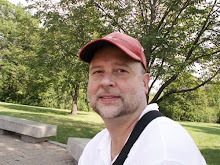
When I was hospitalized following my stroke, I was placed in a room with another man who was really sick. Not that I wasn’t really sick – people are usually not admitted to a hospital unless they are really sick – but my roommate was pretty miserable.
His name was Tom, and I guess he was probably in his 30s. Shortly after I arrived in the room, he received some visitors. I quickly discerned that Tom’s visitors were his fellow residents from a group home for developmentally disabled adults. Over the next 24 hours I also picked up that Tom had a severe lung infection. He had a tube in his chest to drain fluid, but each time a nurse came in to check him, he or she would comment that there wasn’t much drainage.
Tom and I gradually got to know each other. I explained to him my situation and he explained his. Tom wasn’t stupid, but it was evident to me why he lived in a group home.
Eventually, the doctors began talking about getting Tom into surgery because not only was the fluid not draining from his lungs, it was solidifying. Tom was miserable, in pain, and frightened by the idea of surgery. “I don’t want to die,” he said.
The surgeon did a fantastic job of explaining to Tom why he was recommending surgery, doing so using imagery that Tom could understand. The liquid in his lungs at first was like liquid Jello, but like Jello, it was beginning to solidify into a wriggly mess in the lining of his lungs. If nothing was done, that Jello-like stuff in his lungs would eventually become like Jello left out in the air – it becomes hard and stiff. What the surgeon wanted to do was open a small hole in Tom, stick something into his lungs and scrape this gunk out of his lungs.
As all doctors must say, the surgeon said there were risks involved. But with someone like Tom, enumerating these risks, while legally required, just frightened him more. His sister, whom I also got to know, did her best to explain to her brother that while these risks were real, the surgery could make him feel better.
Tom was lost in a thicket of views. He didn’t know what to do. He would agree to the surgery, but it was evident he was simply agreeing with what the adults around him were suggesting. So he was saying what they wanted to hear. It was clear, however, that Tom was scared shitless.
After he and his sister talked some more about the surgery, she got up to go to the cafeteria. When she was gone, Tom said, “Richard, what do you think I should do?”
Me: “Tom, do you like the way you feel right now?”
Tom: “No.”
Me: “You’re in a lot of pain right now, aren’t you?”
Tom: “Yes, and it’s not getting better.”
Me. “Right, it’s not getting better. And I know you are in pain, because having a chest tube stuck inside of you like you have is one of the most painful things to go through. And I must say you have been really strong dealing with that, you know that?”
Tom: “Yes. But I don’t want to be like this.”
Me: “Well, if you don’t have the surgery done, what will happen?"
Tom: “I won’t get better.”
Me: “That’s right, you won’t. And what did the surgeon say if nothing was done?”
Tom: “The stuff in my lungs will get hard and I will get worse.”
Me: “Yes, that stuff will get hard and you will get worse. And what else did he say?”
Tom: “I will die.”
Me: “So you know that, you know you do not like how you feel right now, and you know if you don’t do anything about it, it will get worse and you will die. But if you have the surgery, what can happen?”
Tom: “I can get better.”
Me: “You will get better."
Tom: “But I could die in the surgery.”
Me: “Yes you could. But that’s a maybe. You know you will die if you do nothing. You know you won’t get better if you do nothing, right? So let me ask you this. Are you willing to go through some more pain for a short time after the surgery, but knowing the pain will go away and you will feel better?”
Tom thought about it for about 10 seconds and then said, “I’m going to do the surgery.”
The day Tom was wheeled into surgery was also the day I was sent home. I gave his sister one of my email addresses to let me know how things turned out. A couple days later I got her missive explaining that the surgery went well and that Tom was rapidly recovering. She thanked me for being a calming presence for Tom and helping him sort through this frightening experience.
Did karma put me in that room? I can’t say. But I can say this. I was there and I had a choice. I could either dwell in my own world of woes – and I might even have had a legitimate reason to do that – or I could recognize an opportunity to alleviate someone else’s suffering.
We face these choices every day. They may not be as grand as my situation, but we face them nonetheless. All it took was a small step outside of my inner world and be aware that it’s not always about me.
Photo courtesy of my friend Jimmy Huang.